Call us now: 925-385-8104
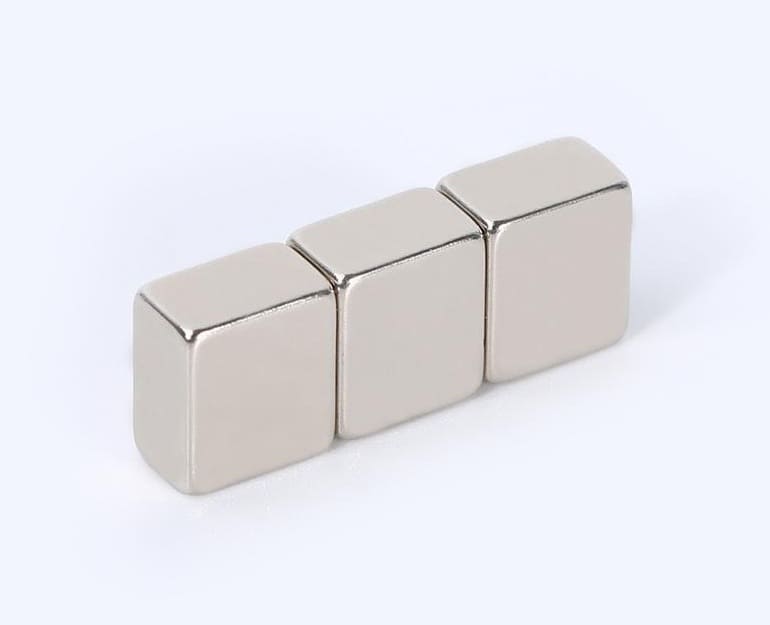
N35 Neodymium Magnets: Grade Properties, Specifications & Applications
Overview
Neodymium magnets, renowned for their unparalleled strength, have transformed industries by enabling compact, high-performance devices. These rare-earth magnets, composed of neodymium, iron, and boron (NdFeB), deliver exceptional magnetic fields, making them essential in applications from electric vehicles to medical imaging. Among the various grades, N35 neodymium magnets stand out for their balance of robust magnetic performance and cost-effectiveness, catering to both industrial and consumer needs.
The N35 grade, with a maximum energy product of 35 Mega Gauss Oersteds (MGOe), offers a mid-range option in the neodymium family, providing sufficient strength for many applications without the higher costs of grades like N42 or N52. This article aims to explore the unique properties, detailed specifications, and diverse applications of N35 magnets, offering readers a comprehensive guide to their capabilities and uses.
At Heeger Magnet, we specialize in high-quality neodymium magnets with various forms and specifications, ensuring optimal performance for industrial and scientific applications.
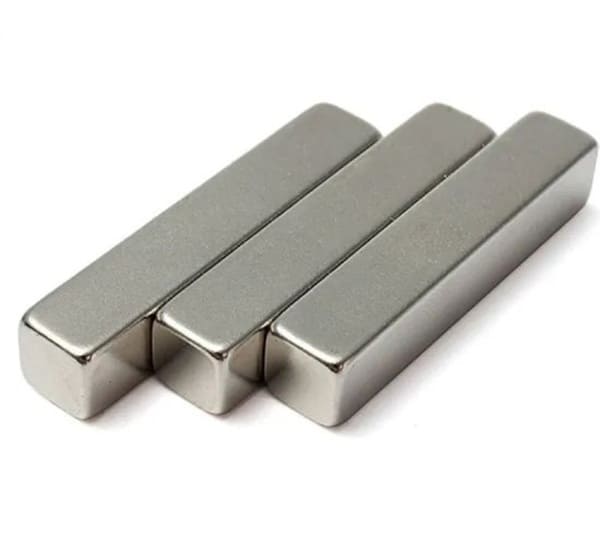
What Are N35 Neodymium Magnets?
N35 neodymium magnets are a specific grade of NdFeB magnets, crafted from an alloy of neodymium, iron, and boron. This composition forms a crystalline structure that generates a powerful magnetic field, far surpassing traditional magnets like ferrite or alnico. The N35 designation indicates a maximum energy product of approximately 35 MGOe, a metric that quantifies the magnet’s ability to store magnetic energy, making it a reliable choice for various applications.
The neodymium grading system ranges from N35 to N55, with higher numbers denoting greater magnetic strength. N35 magnets, positioned in the mid-range, offer a cost-effective alternative to higher grades like N52, which boast up to 52 MGOe but come at a premium price. This makes N35 ideal for applications where moderate magnetic strength is sufficient, such as in consumer electronics or small motors.
Compared to Other Grades:
| Grade | Energy Product (MGOe) | Strength | Temp Resistance (°C) | Common Applications |
| N35 | 35 | Medium | Up to 80°C | Speakers, sensors, small DC motors, DIY projects, magnetic closures |
| N42 | 42 | Stronger | Up to 80°C | High-performance motors, industrial tools, magnetic separators |
| N52 | 52 | Strongest | Up to 68°C | High-end audio systems, robotics, medical devices (where ma |
Looking for top-quality neodymium magnets? Explore Heeger Magnet’s selection.
What Are The Properties of N35 Neodymium Magnets?
N35 neodymium magnets exhibit a combination of magnetic and physical properties that make them highly effective. Their magnetic properties include a maximum energy product of 35 MGOe, remanence (Br) of 11.7–12.1 kilogauss (kG), and coercivity (Hc) of 10.8–12.0 kiloOersteds (kOe). These metrics ensure a strong, stable magnetic field suitable for consistent performance in various environments.
Physically, N35 magnets have a density of 7.4–7.6 g/cm³, making them lightweight yet powerful. However, their iron content makes them susceptible to corrosion, necessitating protective coatings. Their temperature stability is limited to a maximum operating temperature of 80°C, beyond which magnetic strength may degrade, restricting their use in high-heat environments unless specially treated.
1. Magnetic Properties
| Property | Value (N35 Grade) | Notes |
| Energy Product (BH)max | 35 MGOe | Measures magnetic energy density; lower than N42/N52 but cost-effective. |
| Remanence (Br) | ~1.17–1.20 Tesla | Residual flux density (how “strongly” it stays magnetized). |
| Coercivity (Hc) | ~860 kA/m | Resistance to demagnetization (lower than higher grades). |
| Intrinsic Coercivity (Hci) | ≥955 kA/m | Critical for high-temperature stability. |
| Max Operating Temp | 80°C (176°F) | Starts losing strength above this (unless temperature-stabilized). |
2. Physical Properties
| Property | Details |
| Material | NdFeB (Neodymium-Iron-Boron) with trace dysprosium/terbium for stability. |
| Density | ~7.4–7.5 g/cm³ (similar to steel). |
| Tensile Strength | 80–90 MPa (brittle—may shatter on impact). |
| Hardness | ~600 HV (Vickers hardness; prone to chipping). |
| Surface Coatings | Nickel (Ni-Cu-Ni), zinc, epoxy, or gold to prevent corrosion. |
3. Environmental & Stability
| Property | Details |
| Corrosion Resistance | Poor if uncoated; coatings (e.g., Ni) add protection. |
| Temperature Effects | Reversible losses at 80°C; irreversible losses above 80°C. |
| Aging | Loses ~0.1–0.5% magnetism per year if stored properly. |
| Demagnetization | Vulnerable to reverse fields or extreme heat (>80°C). |
4. Comparison to Other Grades
| Grade | BHmax (MGOe) | Br (Tesla) | Hc (kA/m) | Temp Limit (°C) | Best For |
| N35 | 35 | ~1.18 | 860 | 80 | Cost-effective general use (sensors, small motors). |
| N42 | 42 | ~1.30 | 955 | 80 | Higher torque motors, industrial. |
| N52 | 52 | ~1.45 | 1,000+ | 68 | Max strength (audio, medical). |
Advantages:
- High magnetic strength for compact sizes.
- Cost-effective compared to higher grades.
- Widely available in various shapes and sizes.
Limitations:
- Prone to corrosion without proper coatings.
- Limited to 80°C operating temperature.
- Brittle, requiring careful handling.
Exploring our optimized neodymium magnets.
What Are The Specifications of N35 Neodymium Magnets?
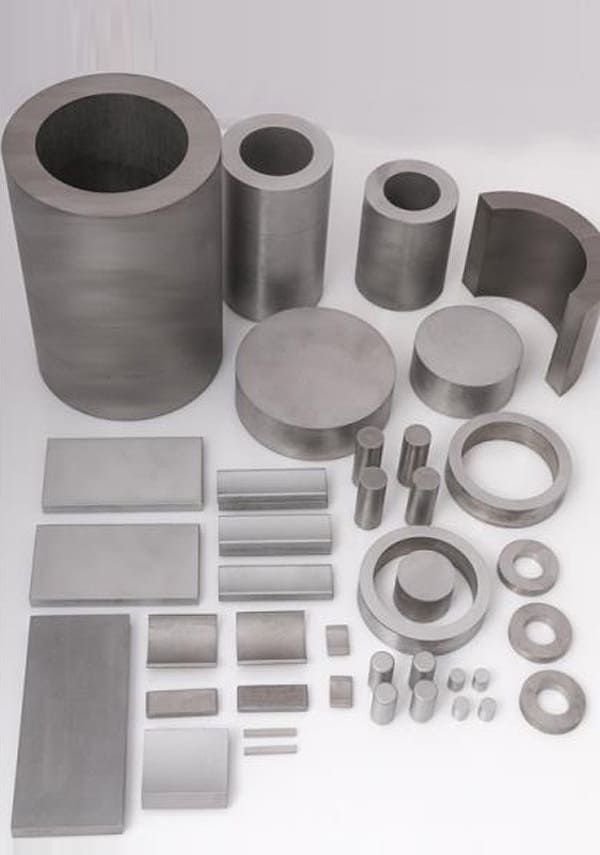
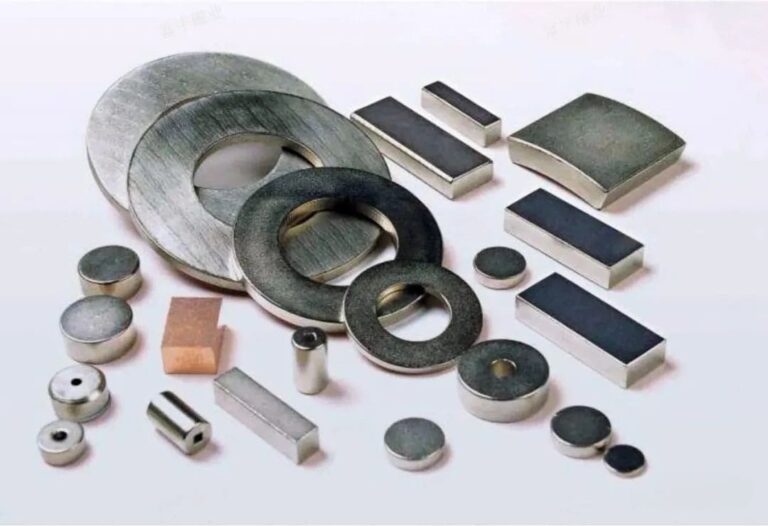
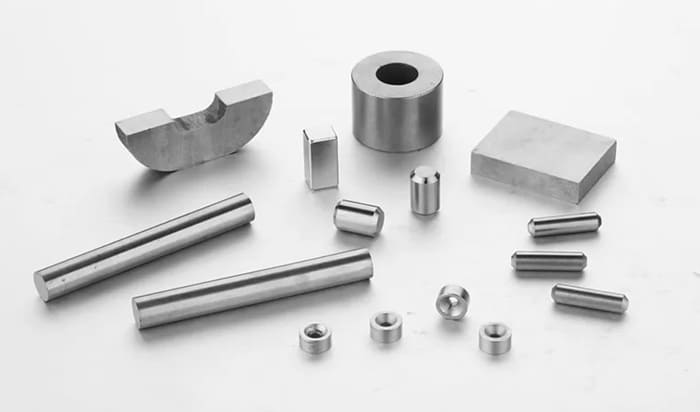
N35 neodymium magnets are manufactured in a variety of standard shapes to meet diverse application needs, including discs, blocks, rings, cylinders, and arcs. Discs are popular for magnetic closures, while rings and cylinders are common in motors. Custom shapes can be produced, though they may involve higher costs and longer lead times.
Coatings enhance the magnets’ durability, with options including nickel-copper-nickel (Ni-Cu-Ni), zinc, epoxy, and gold. Ni-Cu-Ni is favored for its robust corrosion resistance and polished finish. The magnetic field strength varies by size and shape but aligns with the 35 MGOe energy product, delivering reliable performance for tasks like holding or actuation.
N35 Neodymium Magnet Specifications:
| Specification | Details |
| Shapes | Discs, blocks, rings, cylinders, arcs, custom |
| Size Range | Discs, blocks, rings, cylinders, arcs, and custom |
| Coating | Ni-Cu-Ni, Cu-Ni, zinc, epoxy, gold |
| Tolerances | ±0.05–0.5 mm |
| Magnetic Field Strength | Aligned with 35 MGOe, varies by size/shape |
Standard Coatings:
| Coating Type | Thickness (µm) | Protection Level |
| Nickel (Ni-Cu-Ni) | 15–25 µm | Good corrosion resistance |
| Zinc (Zn) | 8–15 µm | Basic protection, cheaper |
| Epoxy | 20–30 µm | Chemical/UV resistance |
| Gold | 5–10 µm | Premium (e.g., medical use) |
Request a custom quote for high-quality neodymium magnets.
What Are The Applications of N35 Neodymium Magnets?
N35 neodymium Magnets’ versatility makes them indispensable in numerous industries. In industrial settings, they power electric motors and generators, enhancing energy efficiency in compact designs. Magnetic separators, critical in mining and recycling, use N35 magnets to isolate ferrous materials, improving process efficiency and reducing waste.
In consumer electronics, N35 magnets enable high-quality audio in speakers and headphones by driving precise magnetic fields for sound reproduction. Hard disk drives utilize their compact design for reliable data storage. Medical applications include MRI machines in MRI systems, where N35 magnets contribute to powerful imaging fields, and magnetic therapy devices, though their therapeutic benefits are controversial.
1. Electronics & Audio Equipment
- Speakers & Headphones: Used in drivers to convert electrical signals into sound vibrations.
- Microphones: Enable precise sound capture in dynamic microphones.
- Hard Disk Drives (HDDs): Position read/write heads accurately (though being phased out by SSDs).
- Sensors: Hall effect sensors, reed switches, and proximity detectors.
2. Motors & Generators
- Small DC Motors: Found in power tools, electric toothbrushes, and toy motors.
- Stepper Motors: Used in 3D printers, CNC machines, and robotics.
- Wind Turbine Generators: Assist in energy conversion (often in smaller systems).
3. Industrial & Mechanical
- Magnetic Separators: Remove ferrous contaminants from food, plastics, or mining materials.
- Magnetic Couplings: Transfer torque through barriers (e.g., pumps, mixers).
- Holding Systems: Secure jigs, fixtures, or signage without physical fasteners.
- Lifting Equipment: Handle thin steel sheets or small metal parts (limited to lighter loads vs. N52).
4. Automotive
- Electric Vehicle (EV) Components: Auxiliary motors, sensors, and cabin accessories.
- Door Latches & Closures: Ensure smooth operation in car doors and trunks.
- Speed Sensors: Detect wheel rotation in ABS systems.
5. Medical Devices
- MRI Scanners: Lower-grade magnets for auxiliary components (not main imaging magnets).
- Dental Implants: Secure removable dentures or orthodontic devices.
- Surgical Tools: Hold instruments in place during procedures.
6. Consumer & DIY Applications
- Magnetic Fasteners: For bags, jewelry, and clothing.
- Whiteboard Magnets: Hold notes or tools.
- Hobby Projects: Model building, science experiments, and crafts.
- Phone Accessories: Magnetic mounts/cases (often paired with ferritic materials).
7. Renewable Energy
- Small Wind Turbines: Used in alternators for residential-scale energy generation.
- Solar Trackers: Adjust panel angles via magnetic actuators.
8. Aerospace & Defense
- Satellite Systems: Secure components in zero-gravity environments.
- Guidance Systems: Assist in sensor positioning.
Why Choose N35 Over Higher Grades?
- Cost-Effective: Cheaper than N42/N52 for moderate-strength needs.
- Adequate Strength: Sufficient for most consumer/industrial uses.
- Lightweight: Ideal for portable devices.
Example by Shape
- Discs (D10x2 mm): Used in smartphone mounts.
- Blocks (20x10x5 mm): Ideal for sensor triggers.
- Rings (OD15xID5x2 mm): Common in motor assemblies.
N35 magnets strike a balance between performance and affordability, making them a versatile choice for everyday applications. For high-stress or high-temperature environments, consider upgrading to N42+ grades. Need help selecting the right size/coating? Heeger Magnet will provide you with a custom solution. Contact us now!
At Heeger Magnet, we supply premium-grade neodymium magnets that meet international IEC, ISO, and ASTM standards, guaranteeing exceptional magnetic performance and reliability.
Handling and Safety Considerations for N35 Neodymium Magnets
The powerful magnetic field of N35 neodymium magnets poses significant safety challenges during handling. Their strong attraction can cause pinching injuries, especially with larger magnets, which may exert forces capable of causing bruising or fractures. Their brittle nature means they can chip or shatter if mishandled, particularly if allowed to snap together uncontrollably.
Storage and transportation require careful planning to prevent damage. Magnets should be kept away from electronic devices, credit cards, and pacemakers to avoid interference. During shipping, packaging with spacers or keeper bars prevents magnets from attracting metal objects or demagnetizing.
Safe Handling:
- Do NOT stack large magnets—they can shatter upon collision.
- Use non-magnetic tweezers or plastic tools for small magnets.
- Slide magnets apart (don’t pull straight apart) to avoid sudden snapping.
Proper Storage:
- Keep in a dry, non-corrosive environment (moisture degrades coatings).
- Use keeper bars or steel plates to preserve magnetism (reduces self-demagnetization).
- Store in anti-static or padded containers to prevent chipping.
Environmental & Operational Risks
✅ Temperature Sensitivity
Risk: N35 magnets lose strength above 80°C (176°F) and may demagnetize permanently near 310°C (Curie point).
Prevention:
- Avoid high-temperature environments (e.g., near engines, soldering tools).
- Use temperature-stabilized grades (e.g., N35SH) if heat exposure is expected.
✅ Corrosion & Durability
Risk: Uncoated N35 magnets rust quickly in humid/salty conditions.
Prevention:
- Choose nickel (Ni-Cu-Ni), epoxy, or gold coatings for wet environments.
- Avoid abrasive cleaning—wipe with a dry cloth.
✅ Brittle Nature
Risk: Neodymium magnets are fragile and can crack/shatter if dropped or impacted.
Prevention:
- Handle with care—avoid hammering or drilling.
- Use rubber padding if mounting in high-vibration systems.
N35 neodymium magnets exemplify the power and versatility of modern magnetic technology, offering a compelling blend of strength, compactness, and affordability. Their 35 MGOe energy product and wide availability make them a preferred choice for applications ranging from consumer gadgets to industrial machinery. By understanding their properties and limitations, users can leverage N35 magnets effectively while addressing challenges like corrosion and temperature sensitivity.
The importance of selecting the right magnet grade cannot be overstated. N35 excels in scenarios requiring moderate strength at a reasonable cost, positioning it as a top choice for both established and emerging technologies. Future advancements in coatings, temperature resistance, and manufacturing may further expand their capabilities, ensuring their relevance in fields like renewable energy and electric mobility.
For top-quality neodymium magnet materials, Heeger Magnet provides tailored solutions for various applications.